
How and Why Different Principles Are Used in the Design of a Website
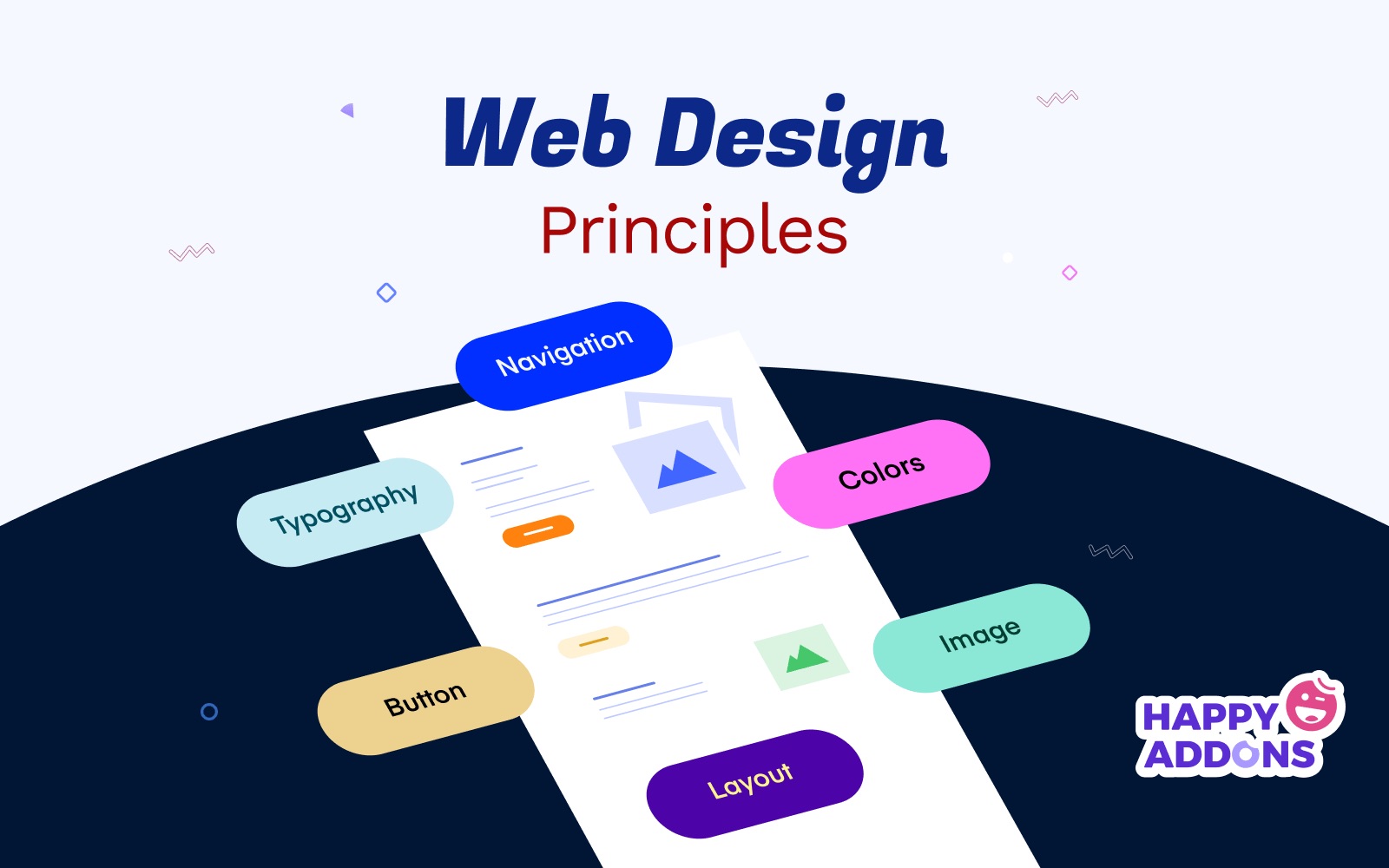
1. Design Principles
Purpose
Every website is created for a specific goal — to inform, sell, educate, or entertain. A clear purpose helps users understand what the site is about within seconds and supports effective communication.
Usability
Usability ensures that visitors can easily find information, navigate, and interact with the website. Good usability means clear structure, visible buttons, and consistent interaction patterns across pages.
Typography
Typography improves readability and visual hierarchy. Designers use different font weights and sizes to highlight headings, paragraphs, and buttons. Sans-serif fonts like Roboto or Inter improve clarity on screens.
Colours and White Space
Colour sets the tone and emotional impact of a website. White space helps balance design and makes content easier to read. Together, they create a clean, professional, and accessible layout.
Layout and Navigation
The page layout controls how information is organised. Navigation must be consistent across pages and positioned where users expect — usually at the top or side. Responsive menus and hover effects improve the experience.
Responsive Design
Responsive design makes websites adaptable to all devices — from large monitors to mobile phones. CSS grid systems and media queries help adjust content automatically to different screen widths.
2. Role of Technologies and Tools
HTML
Defines the structure and content of web pages — headings, paragraphs, images, links, and forms.
CSS
Controls the visual style — colours, layout, fonts, spacing, and responsive design.
JavaScript
Adds interactivity — sliders, pop-up menus, dynamic content, and real-time validation.
Web 2.0
Represents modern, user-centred, and interactive websites that encourage participation (e.g., comments, likes, forms).
FTP
Used to upload and manage website files on a web server.
Validation Tools
Help check for errors in HTML and CSS to ensure the code follows web standards.
Google Analytics
Tracks how users interact with the website — visits, time spent, most-viewed pages — and helps designers improve performance.
Search Engine Optimization (SEO)
Ensures the website is easy to find on search engines by using relevant keywords, meta descriptions, and clear structure.